Get Git: Find Misconfigured .git Directories on Websites

Get Git is a free Chrome add-on developed by Jack Kingsman. It falls under the category of Browsers and is specifically classified as an Add-ons & Tools program.

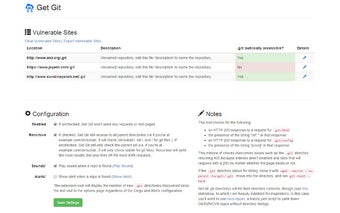
The main purpose of Get Git is to scan websites for misconfigured web accessible .git directories. These directories can potentially expose sensitive data such as past and present source code, internal network structure, API keys, and credentials. By identifying these misconfigurations, users can take necessary steps to secure their websites and prevent unauthorized access to sensitive information.

Get Git provides quick information about each identified .git directory. Users can click on a wrench icon to access additional details like the configuration file, .gitignore, and repository description. The add-on now also offers unobtrusive CSS notifications to provide updates and alerts.

 0/1

App specs

Program available in other languages


User reviews about Get Git

Have you tried Get Git? Be the first to leave your opinion!

Add review

Top extensions for Google Chrome

Top downloads Add-ons & Tools for Google Chrome

Top downloads Add-ons & Tools for Google Chrome

Top downloads Add-ons & Tools for Google Chrome

You may also like

Explore Apps

Latest articles

Laws concerning the use of this software vary from country to country. We do not encourage or condone the use of this program if it is in violation of these laws.
Softonic

Is Get Git safe?

100/100

Score result: Clean

This file passed a comprehensive security scan using VirusTotal technology. It is safe to download.

  • Virus free
  • Spyware free
  • Malware free
  • Verified by Security Partners

    VirusTotal logo

Scan Info

Last scan
Friday, March 8, 2024
Scan provider
VirusTotal

Softonic security commitment

Get Git has been thoroughly scanned by our advanced security systems and verified by industry-leading partners. This file comes from the official developer and has passed all our security checks, showing no signs of viruses, malware, or spyware. For more information, visit our Security and Trust Center